Xiaomi 17 Review: A Real Galaxy S26 and iPhone 17 Rival?
The premium segment is where consumers expect nothing but the best from their smartphones. That’s going to be great displays, crazy-good cameras and phenomenal battery life. But by 2025 we saw the rebirth of compact flagships. Those devices that claimed to be capable of providing ‘Pro’-grade hardware (including cameras) in a compact form factor, but not the price tag associated with. A segment of Samsung’s Galaxy S line-up has now been dominated by competitors such as Vivo, Oppo and Xiaomi that launched a series of compact and premium devices. There is no other than 2026. Manufacturers have added more variety as the price of has risen (due to RAM crisis) with handsets such as Vivo’s V series entering the fray, starting at Rs. paraphrasing 51,999999. So much competition is a bit odd that Xiaomi decided to go up the price of its new compact flagship tag hike with ‘new high’ for this year’s model.
Brand’s new compact flagship is the Xiaomi 17, which was released in a statement that it will be its latest compact successor to . It also has a few notable upgrades and some downgrades over its predecessor, the Xiaomi 15 (formerly known as “Microsoft”). But that means it is a fresh, costly Rs. Asking price 89,999 for . Approximately Rs Rs., with its ideal competitors priced below the mark for s and their perfect competitors. How good is the Xiaomi 17 for its price? Is it a new and higher value option?
Xiaomi 17 Design: A premium compact
- Dimensions – 151.1 x 71.8 x 8.06mm
- Weight – 191g
- Durability – IP68
The Xiaomi 17 is a simple but elegant design that feels very premium in the Venture Green unit we were given for this review. Unlike the Vivo X300 and the Oppo Find an I9, there is really no special on the front. Compared to the other compacts, Samsung’s Galaxy S26 is slimmer and lighter than its predecessor. The aluminium frame of Xiaomi 17 has rounded corners and flat sides, but with a smoothened edge on the front and rear side that makes it comfortable to hold. The front glass panel has a smooth to the touch finish, and is not fingerprinted because it’s matte; this makes its rear glass panels opaque. These buttons are only placed on the right side of the button and have good travel and feedback.
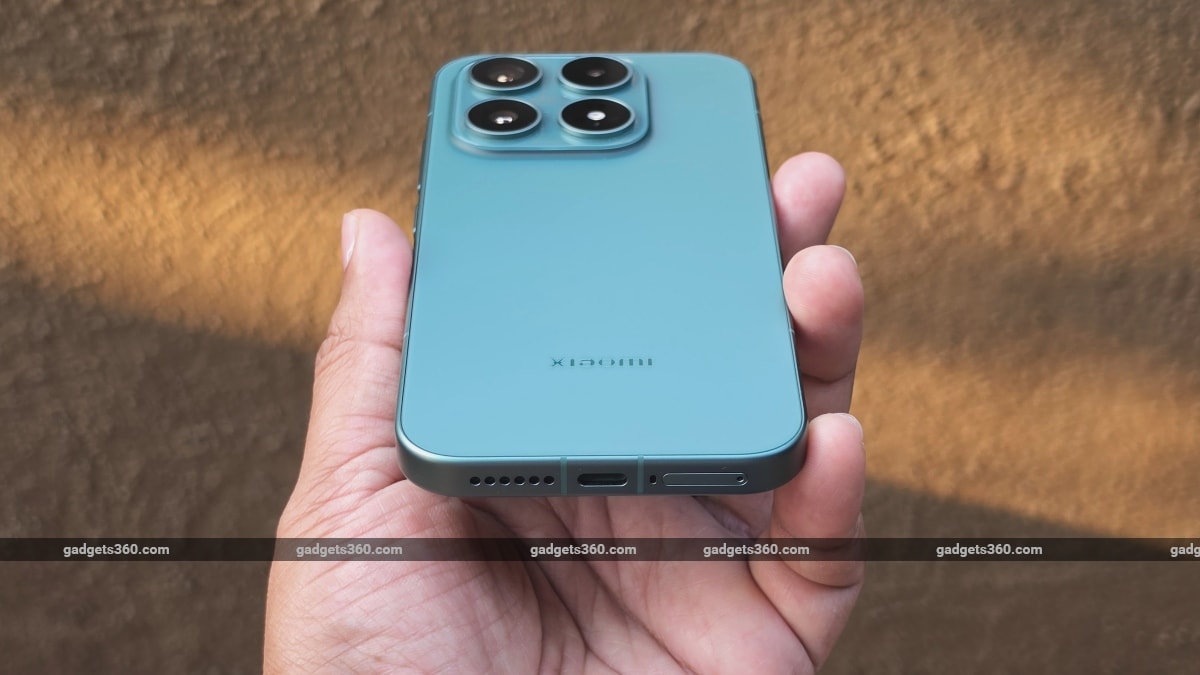
The Xiaomi 17’s rounded edges and compact size make it a delight to hold
A new layout for the camera module is provided compared to the Xiaomi 15 with which it has been updated. It basically exposes the camera hardware versus hidden appearance of previous model, as it is described in the new layout. A LED flash module is disguised to look like a fourth camera, and accompany the three rear cameras. But “all show and no go” isn’t the case, since this fourth-camera cutout also contains the laser-assisted focusing system and the colour spectrum sensor (other than the visible LED flash and a mic)).
I’ve read the Oppo Find X9 and like the overall finish of the Xiaomi 17 better, as its edges are more round than the latter. Its comfort-to hold holds well with an easy to hold up (along with being in touch) position. This phone has some weight but does not feel strangely heavy, despite being unusually thick. This makes it good for use with one handed usage, as is the size of its compactness (like that of the Find X’s overall dimensions), but you may have to do some stretch at the top of screen to reach items. It is also very slippery, because of its matte finished frame and rear glass that makes it a perfect . So if Xiaomi has a clear protective case in the box, so-called .
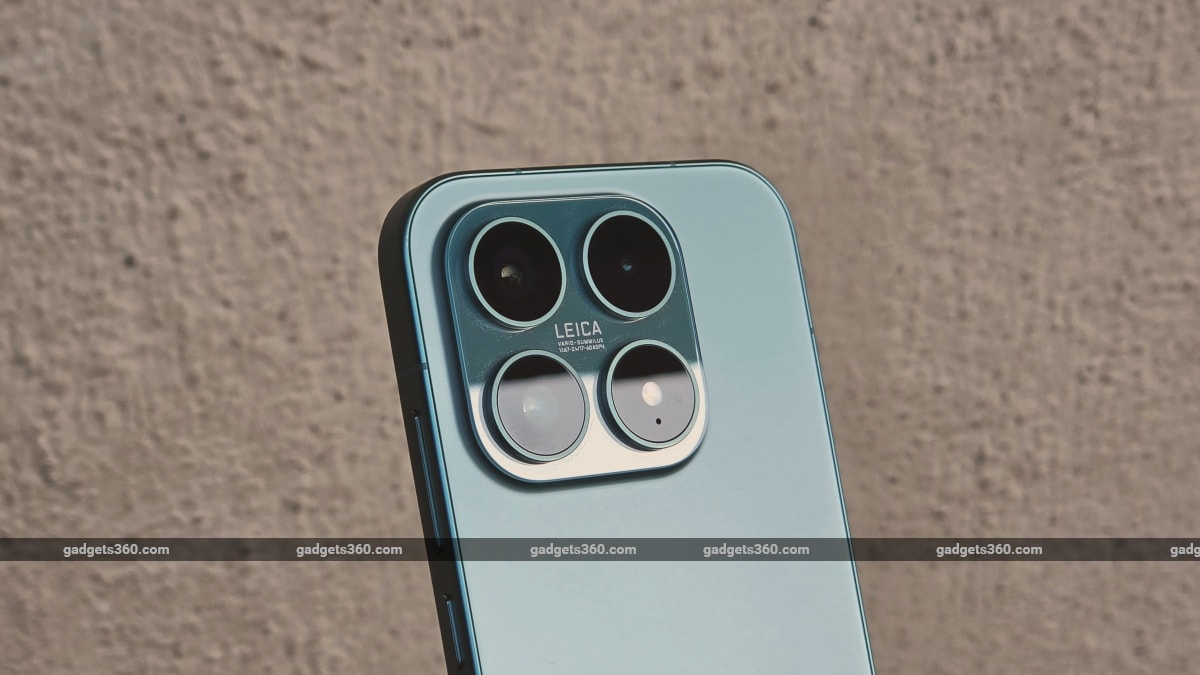
A closer look at the Xiaomi 17’s camera design and layout
It is IP68-rated, like the previous model of . Despite the fact that Xiaomi mentions an IP69 rating in a feature rundown on its product page, I could not find it elsewhere (even on the specifications page) which only lists an ID68 rating. It is a higher price this year, so an IP69 rating would have been appreciated as some other competing devices do offer the same value. It should be good in 4 metres of water for up to 30 minutes, according a Xiaomi IP68 rating. Nevertheless, the company also clearly states (in its T&Cs) that it should not be bathed in sea water or pool water and that its “warrant” will not cover the liquid damage caused in the environments beyond IP68 test condition”.
Xiaomi 17 Display: Best in class
- Display size – 6.3-inch, 1,220 x 2,656 pixels, 1.5K, 460 PPI
- Display type – 12-bit, AMOLED, LTPO, 1-120Hz
- Display protection – Xiaomi Shield Glass
The display of the Xiaomi 17 is one area that makes it more expensive than its competitors. A flat 12-bit panel gives you vivid, true colours and can switch between DC and PWM dimming to give you the best of both worlds at high and low brightness levels. Also, it supports HDR10+ and Dolby Vision (supported material is a brightly contrasted version of supported content that appears as well as the usual contrasts. It has excellent views, and the display can be easily used with the bright outdoors; it is perfectly visible under a sun-light. I think this segment is one of the best panel panels out there and easily outdoes Samsung, Oppo and Vivo’s panels at this price level.”
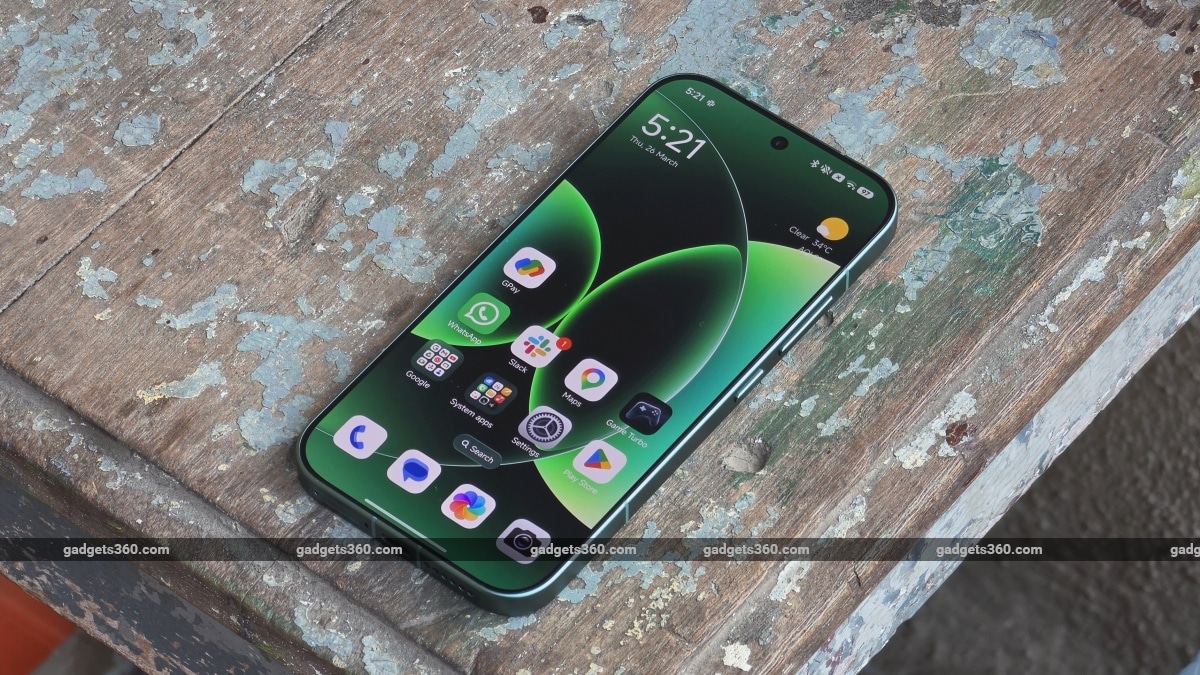
The Xiaomi 17’s display has skinny borders
Besides, the panel also has razor-thin borders similar to those on devices well above its price point. The display also supports always-on capability (AOD) with HyperOS, allowing you to set the lockscreen wallpaper as your AOD. But setting the whole wallpaper (rather than just clock and notifications) will only slightly affect the phone’s battery life.
The stereo speakers are a great audio experience, with Dolby Atmos support for creating immersive sound. Hence it was quite the treat to see TV shows and movies on this display even though its smaller size was very small.
Xiaomi 17 Software: A beautiful mess
- Android version – 16
- Software – HyperOS 3.0
- Software commitment – 5 years OS updates + 6 years SMRs
The Xiaomi 17 software experience is described as ‘fluid’ with a powerful chipset, an LTPO panel and ‘optimised UX’. No hiccups The software experience is always smooth, whether you are browsing third-party apps or native ones.
Software is also extremely customised, too . It has a range of customisable lock screen themes, plenty to choose from with regard for lock screens depth and transition effects. And if you get bored of those, you can go into the many wallpapers that Xiaomi offers good old Super wallpaper which goes from AOD to lockscreen and homescreen in a seamless way. Lastly, there’s also a ton of free Xiaomi widgets in the widget selection menu.
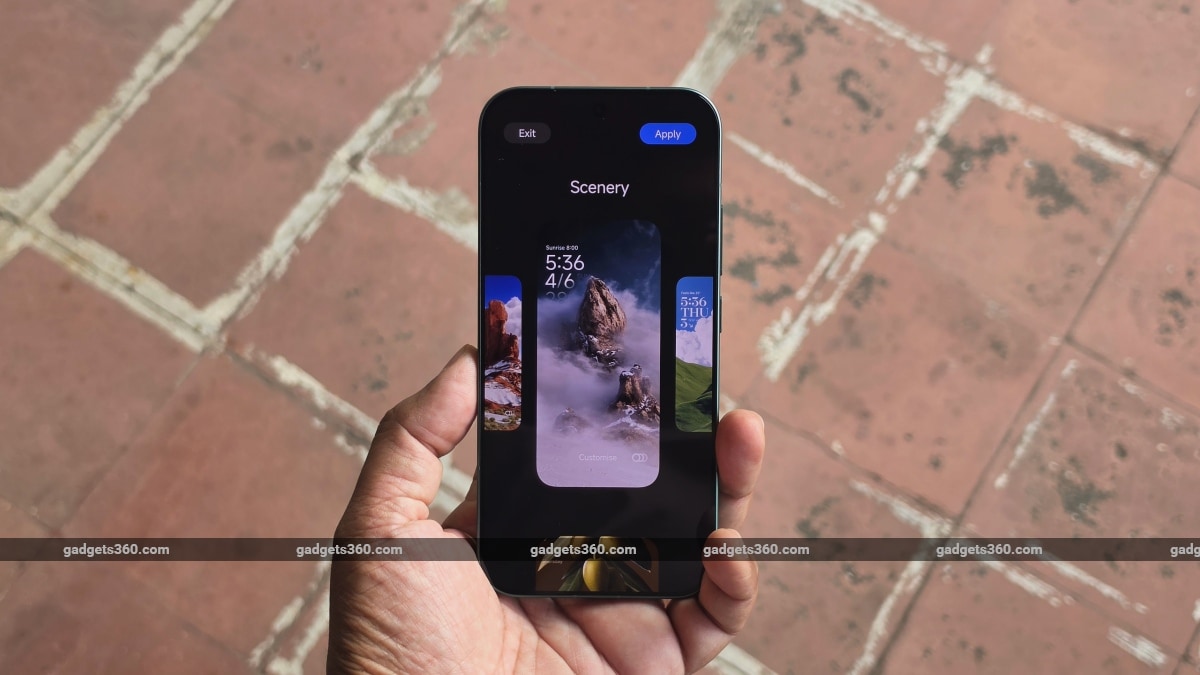
Xiaomi’s HyperOS 3.0 has a very customisable lock screen
You get two AI models for all your AI needs as with most premium Android devices Google’s GeminiAI, pictured, and Xiaomi’S HyperAI. HyperAI is used in a wide range of applications, from creating video wallpapers from photos (AI Dynamic Wallpapers) to translations and image editing. Although the AI translations were accurate to a certain extent, sometimes the app would be transliterated (which was not worth it). It’s not good to use AI image editing tools like . When it would erase the objects, leaving an obvious blur behind, or sometimes just replacing the object with something else, making things worse than before. Such edits, however, were quite simple and far from complex; a lot of polish is required for Xiaomi’s tools. Certainly I’ve been seeing more affordable AI eraser edits on lower-budget devices. You can revert to Google’s apps for better and more accurate AI tools and results if you aren’t happy with HyperAI.
always, even if it is more than Rs. Several third-party apps are still available on the phone, including several uninstalled applications that can be installed with 80,000, which is also included in the telephone. Xiaomi-branded apps are also available, but no app-doubles have been made. During my testing, I did not receive any spam messages and post setup.
Xiaomi 17 Performance: Flagship indeed
- Processor – Qualcomm Snapdragon 8 Elite Gen 5, 4.6GHz, 3nm
- RAM – 12GB (LPDDR5X)
- Storage – 256/512GB (UFS 4.1)
- USB – 3.2 Gen 2
from the table below as you can tell if is in. The Xiaomi 17 was a good match for the competition, and we did not see any serious problems with it. This is a very clear indication that its benchmark scores aren’t quite the same than devices which cost less, such as in Oppo Find X9 and iQOO 15R.
| Benchmarks | Xiaomi 17 | Oppo Find X9 | iQOO 15R |
| — | — | — | — |
| Display resolution | 1.5K | 1,256 x 2,760 | 1.5K |
| Chipset | Qualcomm Snapdragon 8 Elite Gen 5 (3nm) | MediaTek Dimensity 9500 (3nm) | Snapdragon 8 Gen 5 (3nm) |
| AnTuTu v10/v11 | 30,98,607 | 34,38,884 | 30,91,779 |
| PCMark Work 3.0 | 17,252 | 12,900 | 15,023 |
| Geekbench 6 Single | 3,486 | 2,966 | 2,659 |
| Geekbench 6 Multi | 10,036 | 8,710 | 8,574 |
| Geekbench AI CPU (Quantized) | 5,332 | FTR | 4,198 |
| Geekbench AI GPU (Quantized) | 2,698 | 1,710 | 2,419 |
| 3DM Wild Life | Maxed Out | Maxed Out | Maxed Out |
| 3DM Wild Life Unlimited | 21,221 | 26,128 | 21,026 |
| 3DM Steel Nomad Light | 2,017 | 3,033 | 1,596 |
This heats up the phone as for real-world performance, like with all Elite-powered devices we have reviewed so far. A certain degree of throttle is also used by the phone to control heat (so that your hands don’t burn) combined with the vapour cooling system, so that heavy games such as Genshin Impact work smoothly and flawlessly even at the highest settings. While the phone also shivered up when using the camera app, except for its viewfinder which showed slightly tuttery visuals during 4K recording, recorded footage was fine with no problems and the video app did not crash or show any warnings.
Xiaomi 17 Cameras: A lot to see
- Primary camera – 50-megapixel, f/1.7, PDAF, OIS
- Telephoto camera – 50-megapixel, f/2.0, PDAF, OIS, 2.6X optical
- Ultrawide camera – 50-megapixel, f/2.4, 102-degree, FF
- Selfie camera – 50-megapixel, f/2.2, PDAF
This smartphone’s quality of photos taken by Xiaomi is largely affected by its partnership with camera maker Leica, which has been working to improve the performance of these smartphones. Despite the fact that most camera partnerships are usually limited to a set of filters or the camera’s colour calibration in specialized mode, Xiaomi has actually allowed Leica to simply take over. This doesn’t mean that this isn’T bad, but it affects the overall output of a camera because users don’re not really allowed to opt out of anything.
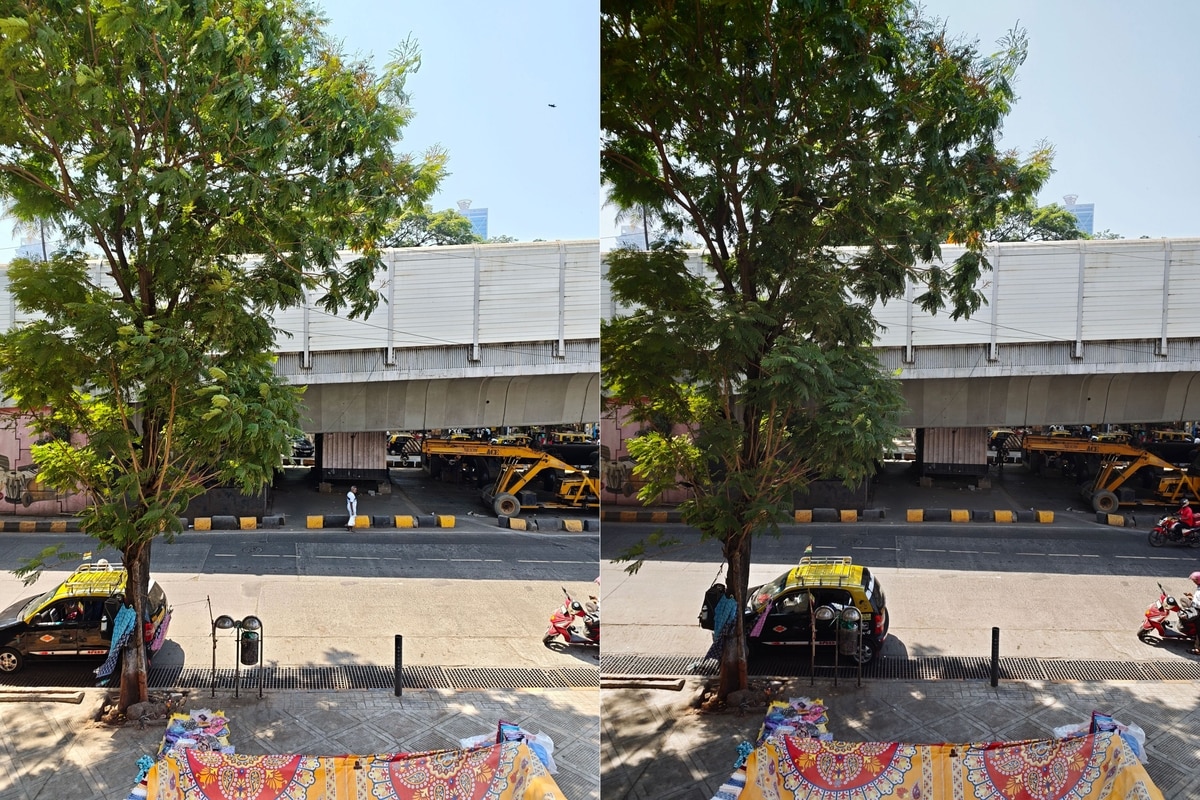
Leica Vibrant (left) versus Leica Authentic (right) shooting styles
When launching camera app, you will see the device defaults to the Leica Vibrant “style” (or shooting preset) for photos in the standard Auto shooting mode. After a few photos I took the colours and it was instantly saturated with perfect dynamic range, which most buyers expect from ‘high quality device (or processing that appeals to wider audience)). I soon found that if I tap on the Leica button on top left corner switches to another Leika Authentic style. Having used cameras and a DSLR in the past, I was more impressed with this as the images were less saturated colour, higher contrast (more emotion) to the same scene. It wasn’t destroying the dynamic range by crushing the shadows, but just adding some contrast and slightly less exposure to make them appear as if they were shot by a professional with. camera. And I stuck with the latter most of the time, and shutterbugs or photography enthusiasts who use this phone will probably prefer the same style.
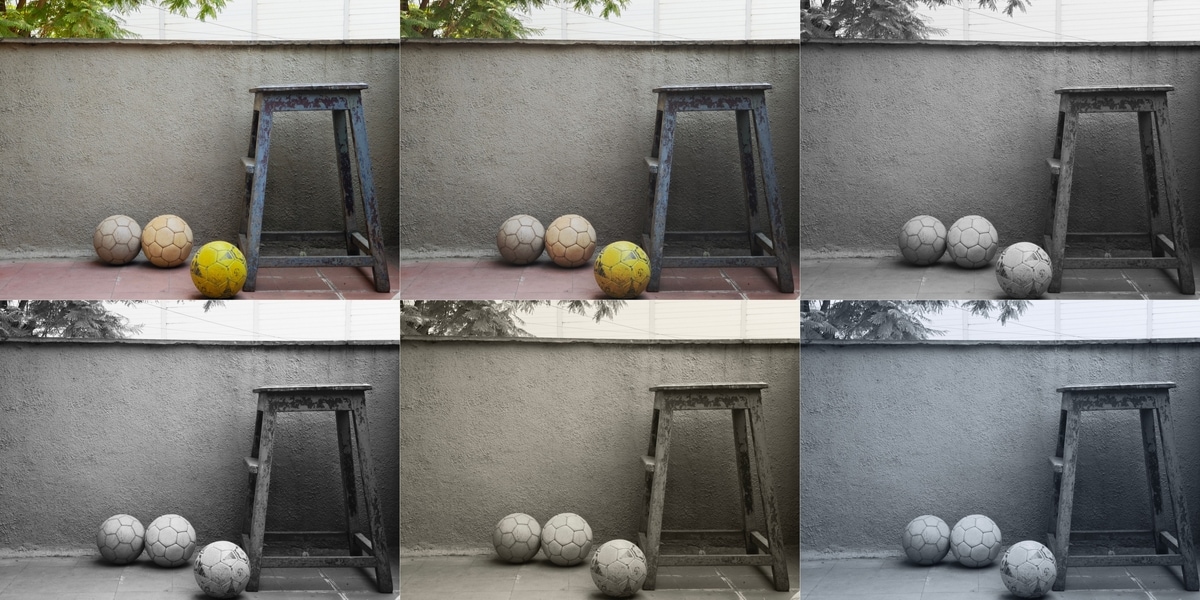
The Leica-branded filters available on the Xiaomi 17
A bunch of Leica-branded filters are also available in the camera app, besides the regular ones you will see in Xiaomi camera application. The Leica Vivid, LeICA Natural, Lica Black and White, Laica black and white High Contrast (my favourite), Leika Sepia & Leic Blue are all supposed to simulate the effects on Leca’s cameras. These, unlike the usual filter filters in the camera app, are quite tasteful in a way similar to Ricoh GR colour modes of the Realme GT 8 Pro. They’re a bit of an emotional element, you can look at these filters in the collage above and they add to any picture. Despite the fact that I usually avoid filters, Xiaomi’s camera app has some of the most interesting things which I found quite attractive to me.
While all of the above make it sound like the Xiaomi 17 is a photographer’s smartphone, it’s not exactly picture-perfect.
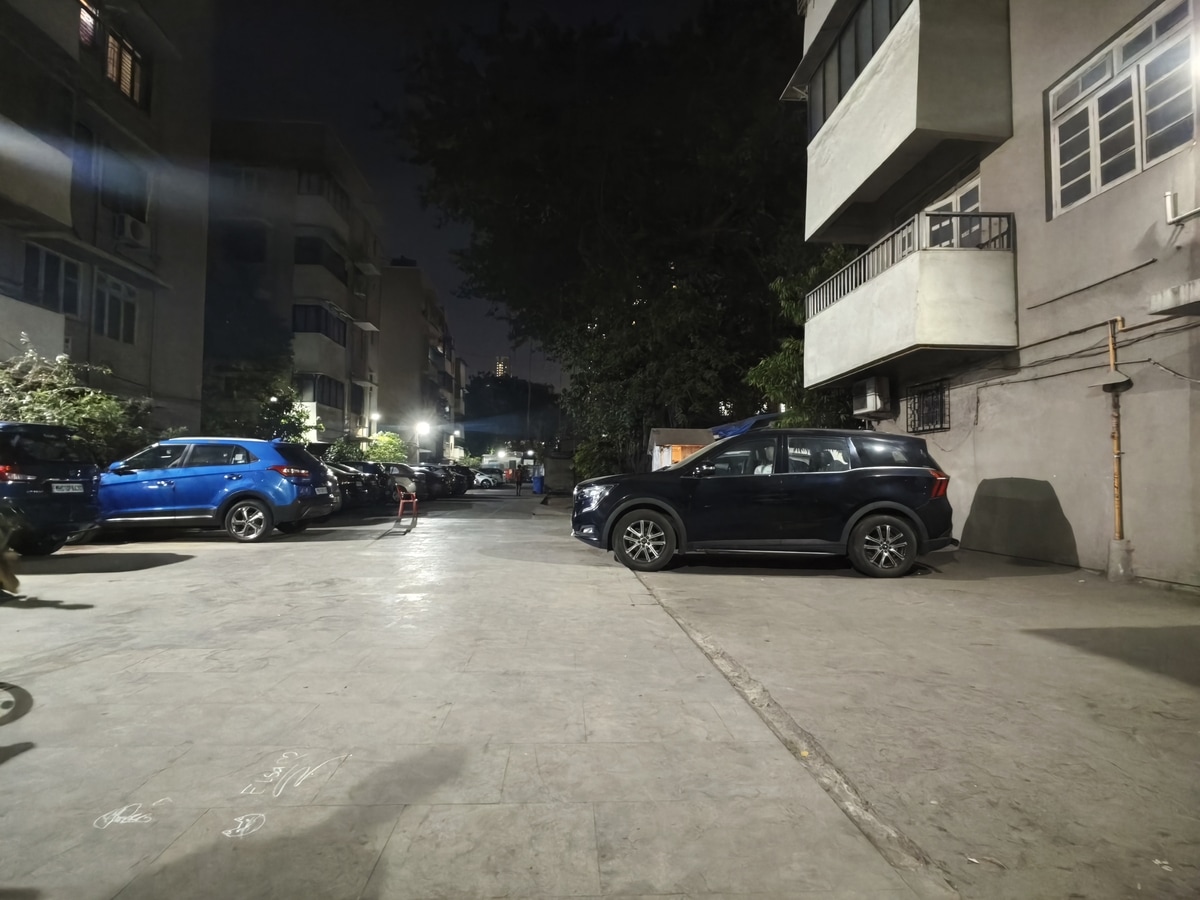
Xiaomi 17 ultrawide camera samples. (Tap images to expand)
Although the ultrawide camera, which does not have autofocus, is surprisingly good at taking an even larger field of view (as in most photos), so it seems dramatic. A 16-mm equivalent of the field of view (a 102-degrees) does not seem overrated as ultrawides are usually found on most smartphones, but it is pretty good results thanks to Xiaomi (or Leica’s), processing. This simple ultrawide hardware is clearly hit by this basic, but where it’s a clear hit in low-light applications. While objects in these photos are defined, the edges of their edges appear soft and textureless (although they do not show a definition for what is being said by pictures).


Xiaomi 17 primary camera samples. (Tap images to expand)
The main camera takes great photos of . It’s a very detailed photos, with extremely mature processing that isn’t oversharpened, and doesn’T seem overprocessed as it does on most flagships at this price point. Especially in low-light, images are really well done, with good detail and dynamic range when it comes to street lighting.



Xiaomi 17 telephoto camera samples. (Tap images to expand)
The floating telephoto camera also impresses with its impressive floating-teleporter. The standard 3X telephoto camera is not available, but you have a 2. 6X optical (60mm equivalent), which manages some of the most impressive photos, be street photography, candid photos or whatever you can throw at it, in all types of lighting conditions. It combines really fine detail but does not oversharpen it to kingdom come. Assuming it’s a floating telephoto arrangement, you can also shoot as close as 10 centimetres and get great separation and bokeh (natural) because of the fact that there is no way to be separated from each other. If you shoot at 5X lossless, it is a slight drop in quality during daylight but these photos are pretty impressive (see the man sitting on scot) A bit soft and waxy Low-light photos at 5X magnification look a bit light, but low-lit.

Xiaomi 17 selfie camera sample (tap image to expand)
The sharpest selfies emerge during the day, and they are well-detection edge-strengthy as well as having correct edge. Yet, low-light selfies are a bit soft and lack detail (although colour is spot on dynamic range but still appear soft).
It’s a good video quality in daylight, which is impressive enough to rival an iPhone at this price point. There’s a lot of detail, good dynamic range and great stability when shooting at 4K. Another example of a very usable 8K video is that you have enough space to store large files. Also very good is Dolby Vision footage, which shows vibrant colour, good dynamic range and contrast. Video of low-light video still impresses with the same level of detail as it does for a . The Xiaomi 17 is a good choice for content creators willing to leave their iPhones with the phraser, in fact. My gripe with the phone’s otherwise great video-capture capabilities is its ultrawide camera, which produces soft-looking recordings that only get worse in low-light settings.
Xiaomi 17 Battery: Surprisingly good
- Battery capacity – 6,330mAh, Si/C, Li-ion
- Wired charging – 100W
- Wireless charging – 50W (using proprietary dock)
- Charger in the box – 100W
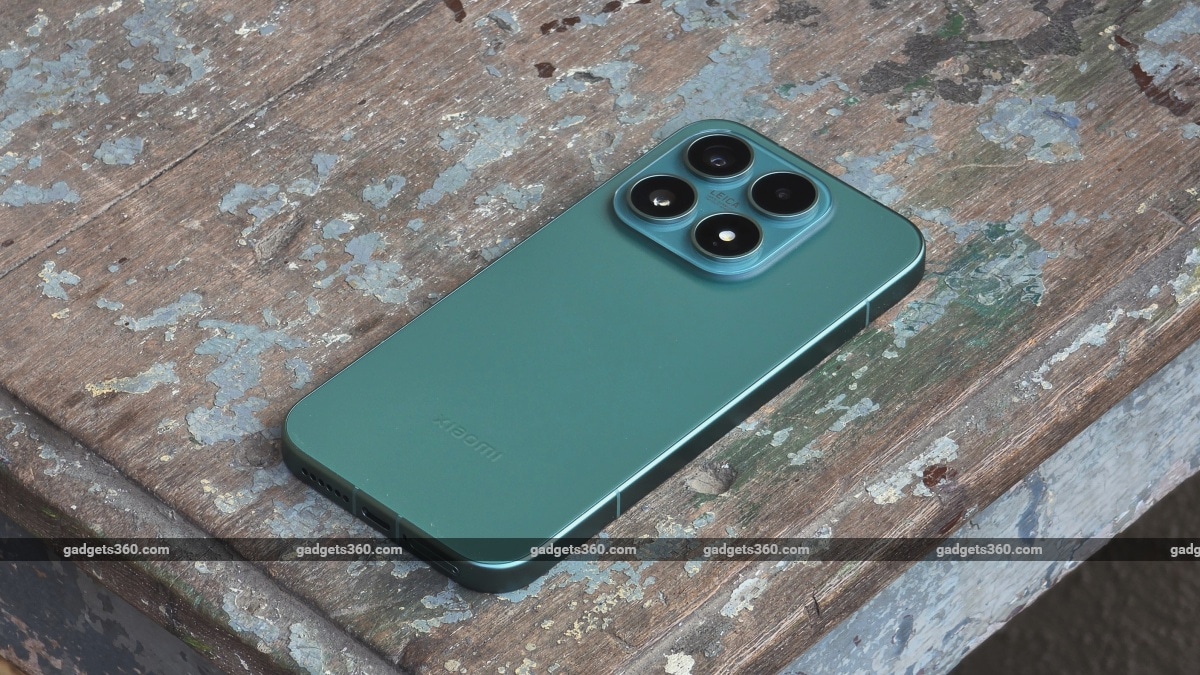
The Xiaomi 17 has good battery life for a compact device
The Xiaomi 17 uses its high-capacity silicon-carbon-based battery, which is able to use the power-efficient processor and good software optimisation that are found in the LTPO panel. Xiaomi 17 did well, managing a solid 19 hours and 7 minutes for ‘a compact device with spherical PCMark Battery Life test that runs dozens of everyday tasks on loop’. My use of was in real life. I could manage a day and half of mixed (Wi-Fi + cellular) usage, but provided that 4k video did not be captured too much or played graphics intensive games? Increasing the use of smartphones and heavy gaming and cameras, it will last you for an entire day with about 30 to 20 percent charge left at the end of the day.
Stunning The bundled charger does fine job with wired charging, it charges 78 percent charge in 30 minutes and is fully charged for just 45 minutes. It also offers 50W wireless charging but I could not find the same on sale on Xiaomi’s website?
Xiaomi 17 Verdict
While some downgrades have been made, Xiaomi’s 17 is a good suggestion to someone looking for something better or different than the standard camera setup under Rs. In India, 90,000 s are in use. Apart from the Leica-branded cameras, a solid device like the Xiaomi 17 is best chipset on the market, an excellent display and good battery life in ‘a compact form factor’. For those who are serious about photography or video recording, it should be the one to contact if you have more mature image processing than Vivo’s X300 and Oppo’S Find x9 offer.
Yet given that these other competitors’ phones are essentially as good hardware for less, your choice of the Xiaomi 17 will mostly be down to its Leica imaging, video recording capabilities, processing power and your price tag.
It is an easy choice for a compact device, with its higher-capacity 7,025mAh battery at Rs. 1,1005 and the Oppo Find X9 being more affordable to buy if you look for even better battery life? , 74,999;. With the Find X9, you will get an impressive set of cameras but video recordings won’t be as good as on the Xiaomi 17.
Vivo’s X300 is another sharpshooter at this price point with far better ultrawide camera performance than the Xiaomi 17 in its budget. The rest of its cameras also shoot tack-sharp Instagram-worthy shots (if you are following) However, in terms of processing power and battery life it is a little short-lived (and has average speakers except the heating problems mentioned in our review) comparison.
Lastly, there’s Samsung’S Galaxy S26 which has become thinner and lighter (with the same core hardware upgrades) this year. Though its camera hardware hasn’t changed in years, we don’re not expecting any wonders this year either because of the fact that it is a new one or more cameras.
Thanks for reading Xiaomi 17 Review: A Real Galaxy S26 and iPhone 17 Rival?
